
Home / News & Insights / NSW’s $15,000 Interest-Free Loan for Solar and Batteries

NSW's $15,000 Interest-Free Loan for Solar and Batteries: The Complete 2026 Guide

How the new Home Energy Saver Program works, who qualifies, how it stacks with the federal battery rebate, and what to check before you sign anything.
Quick summary (for the skimmers)

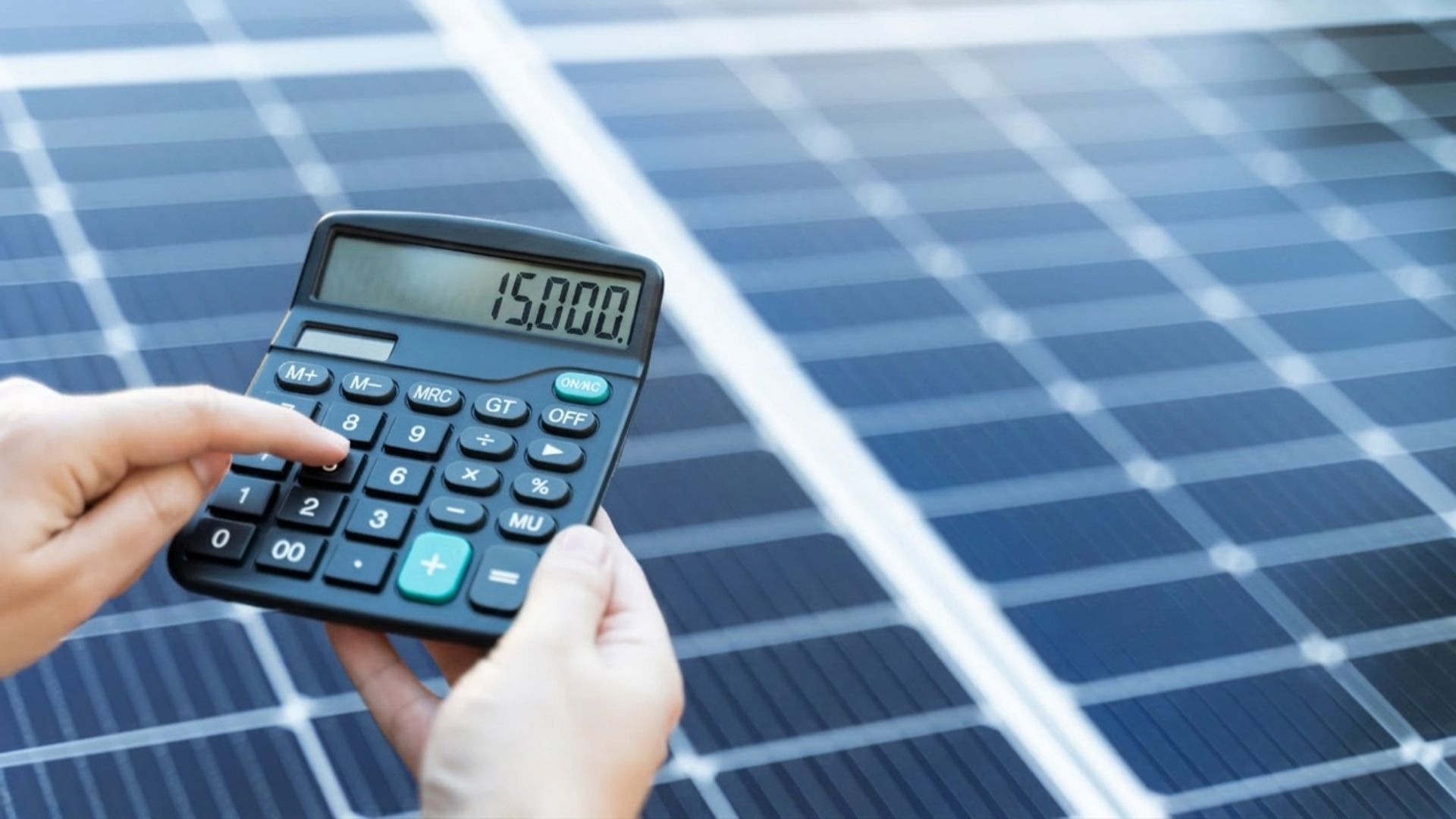
  • On 17 June 2026, the NSW Government launched the Home Energy Saver Program, a $557 million initiative offering eligible households interest-free loans of up to $15,000, repayable over up to 10 years.
  • It covers solar panels, home batteries, switchboard upgrades, heat pumps, EV chargers, and several other energy-efficiency upgrades.
  • A separate discount of up to $4,000 for lower-income households and concession card holders is planned to open later in 2026.
  • The loan can be stacked with the federal Cheaper Home Batteries Program rebate, which means an eligible NSW household could see a solar-and-battery system land close to $0 upfront.
  • Eligibility is based on household income (up to $210,000 combined taxable income), residency, and property type, not everyone will qualify, so it’s worth checking before you get your hopes up on a number.
  • Sydney Solar and Roofing is an accredited vendor under the Home Energy Saver Program, so we can handle eligibility, quoting, and loan application in one process.

What the Home Energy Saver Program actually is

This isn’t a rebate, it’s a zero-interest loan. The NSW Government has put roughly $480 million behind the loan component specifically, aiming to support upgrades in more than 32,000 households, with a further $77 million allocated to the upcoming discount scheme for lower-income households.

The distinction between a loan and a rebate matters more than it might seem. A rebate reduces the price you pay outright. A loan means you still repay the full amount, you simply repay it without any interest charged on top, spread over as long as ten years. For a lot of households, that’s the difference between a system being affordable this year versus being pushed off indefinitely.

To put the value of “interest-free” in real terms: on a typical $15,000 loan over ten years, a standard bank loan at around 8% interest would cost roughly $6,800 in interest on top of what you borrowed, somewhere in the order of $180 a month just in interest, before you’ve paid back a cent of the principal. Under the Home Energy Saver Program, that entire cost disappears. You repay exactly what you borrowed, nothing more.

What it covers

The loan isn’t limited to solar and batteries, though those are likely to be the two most popular uses. Eligible upgrades generally include:

  • Rooftop solar panel systems
  • Home battery storage
  • Switchboard upgrades (relevant if your existing switchboard needs replacing before solar or a battery can be safely installed and see our guide on why solar quotes vary for more on this)
  • Heat pumps and reverse-cycle air conditioning
  • EV chargers
  • Ceiling fans
  • Insulation and draught-proofing
  • Double-glazed windows and doors

You can bundle several eligible upgrades into a single loan application, which is worth knowing if you’re planning a solar-and-battery install alongside a switchboard upgrade you were going to need anyway.

Who's eligible

Based on the program’s current settings, to qualify for the interest-free loan you generally need to:

  • Own the property as an owner-occupier or as a landlord (this isn’t restricted to owner-occupiers only)
  • Have a combined household taxable income of up to $210,000
  • Be an Australian citizen or permanent resident
  • Pass a standard credit check through the finance provider
  • Have a property located in NSW that isn’t social or community housing, and isn’t used for short-stay accommodation

Renters aren’t eligible for the loan itself, since it’s tied to property ownership, but they may be able to access the separate discount component later in 2026 with their landlord’s permission, worth flagging to tenants who ask, since it’s a genuinely different pathway to the loan.

How to apply

The application process runs through accredited vendors rather than a direct government portal:

  1. Check your eligibility through the NSW Energy Savings Finder or the program guidelines.
  2. Choose your upgrade – solar, battery, or a bundle of eligible improvements.
  3. Work with a program-approved, accredited vendor, who refers your application to one of the scheme’s finance providers (currently Brighte or Plenti).
  4. Complete the finance provider’s application and credit check.
  5. Proceed with installation once your loan is approved.

Because the loan runs through accredited vendors rather than being something you can apply for independently, it’s worth confirming with your installer upfront whether they’re set up to process Home Energy Saver applications, not every installer necessarily is.

Sydney Solar and Roofing is an accredited vendor under the Home Energy Saver Program, so we can take you through eligibility, quote your system, and submit your application to Brighte or Plenti as part of the one process rather than you needing to find a separate vendor once you’ve chosen an installer.

Stacking it with the federal battery rebate

This is where the numbers get genuinely compelling. The Home Energy Saver loan doesn’t replace the federal Cheaper Home Batteries Program rebate, it sits alongside it. In practical terms:

  • The federal rebate reduces the upfront cost of an eligible battery by roughly 30%, applied directly to your invoice.
  • The NSW loan then covers some or all of what’s left, interest-free, spread over up to ten years.

For a well-sized system, that combination can bring the day-one out-of-pocket cost close to $0, though it’s worth being precise here: you’re not getting the system for free, you’re financing the remaining balance without interest and paying it back gradually, ideally from the electricity bill savings the system itself generates.

There’s a timing wrinkle worth knowing about too. The federal rebate steps down every six months, with the next reduction scheduled from 1 January 2027. If you’re planning to use both incentives together, the combined value is at its highest right now, before that step-down takes effect  which is a genuine, program-driven deadline rather than a sales tactic.

What to actually check before you commit

  • Confirm your household income against the $210,000 threshold before you get attached to a specific system size or price.
  • Ask whether your installer is an accredited vendor for the Home Energy Saver Program, if they’re not, you may need a separate application pathway or a different installer altogether.
  • Sydney Solar and Roofing is accredited, so this step is already handled if you work with us.
  • Compare the loan repayments against your expected bill savings. A zero-interest loan is still a loan; the point is that the system should be reducing your power bill by roughly what you’re repaying each month, not adding a new financial burden on top of an unchanged bill.
  • Check whether your chosen battery and switchboard work qualify under both the state loan criteria and the federal rebate’s CEC-approved product requirements these are two separate compliance checklists, and a system that satisfies one doesn’t automatically satisfy the other.
  • Ask about the property type restrictions if you’re a landlord or considering an investment property, social and community housing and short-stay accommodation properties are excluded.

The bottom line

For NSW households that have been priced out of solar and battery storage by the upfront cost, this is one of the more significant affordability shifts the state has introduced in years. Combined with the federal rebate, a well-sized, correctly-installed system can go from a five-figure decision to something genuinely manageable on a monthly basis provided the eligibility boxes are ticked and the loan is compared honestly against the savings it’s meant to fund.

If you want to know what this looks like specifically for your home — combined rebate and loan numbers, monthly repayment estimate, and whether your switchboard needs attention before installation, that’s exactly what we build into every quote. As an accredited Home Energy Saver vendor, Sydney Solar and Roofing can check your eligibility, quote your system, and lodge your loan application in one conversation. Get a free Home Energy Saver eligibility check.

This article reflects the NSW Home Energy Saver Program and federal Cheaper Home Batteries Program settings as understood at the time of writing. Loan terms, eligibility criteria, and provider arrangements are subject to change, we recommend confirming current details with us, the NSW Energy Savings Finder, or your chosen finance provider before making a purchase decision.

Most recent

Should You Install Solar Now Or Wait?
Wondering whether to install your solar now or wait? Learn when delaying makes sense, when it may cost you more, and how rebates, finance options and electricity prices can affect your decision.
What Nobody Tells You Before Buying Solar
Thinking about installing solar? Before you sign a quote, learn the eight things most installers don’t explain, from export limits and workmanship warranties to battery compatibility and roof condition.
How Much Does Solar Really Cost in Australia this 2026?
Wondering how much solar really costs in Australia in 2026? Learn what drives system pricing, why quotes can vary by thousands, and the key factors to compare before choosing an installer.
The Complete Guide to Australia's Battery Rebate in 2026
Discover how Australia’s 2026 Cheaper Home Batteries Program can reduce the upfront cost of a home battery, who qualifies, and how to maximise your savings with available incentives.