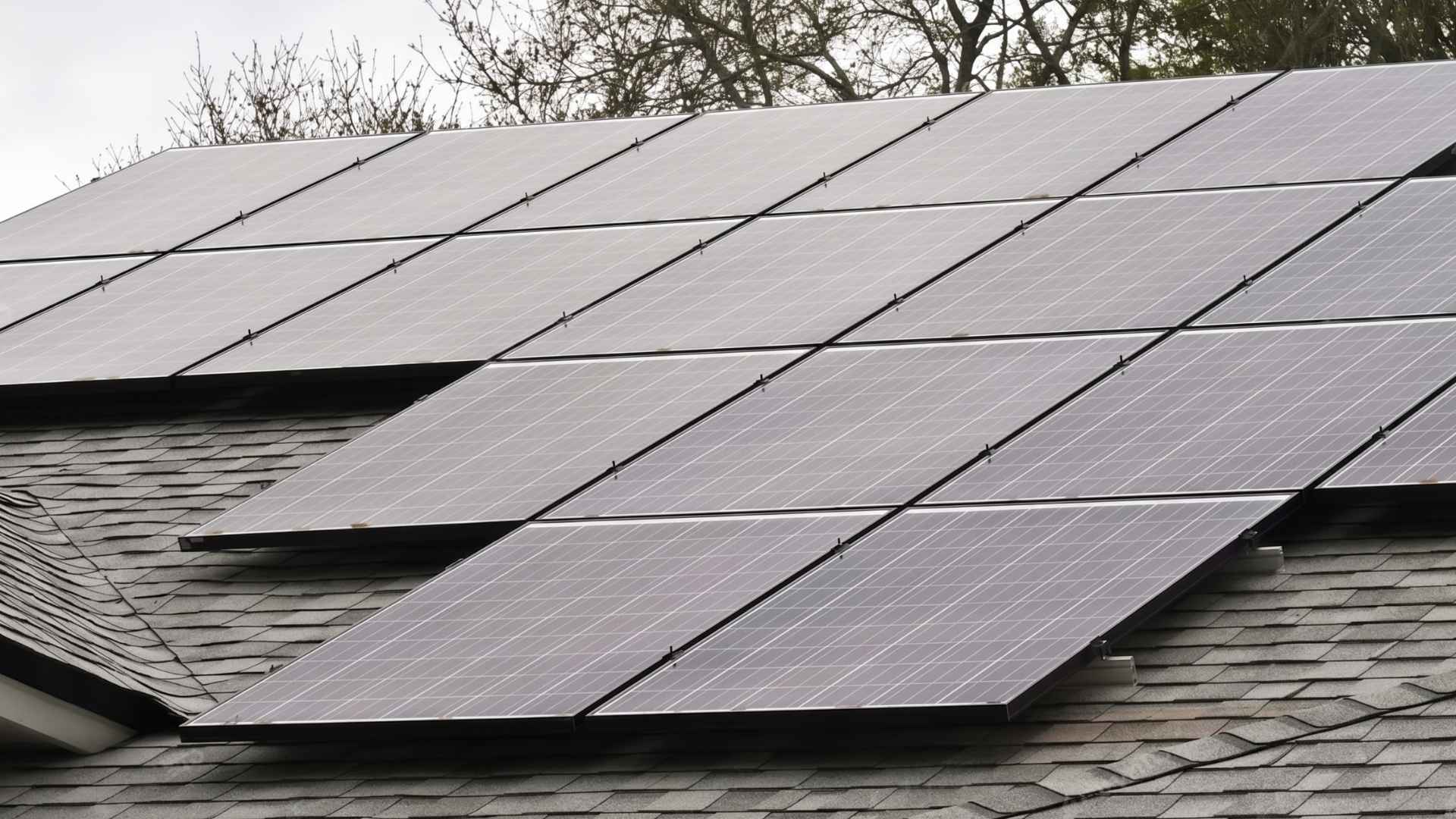
Home / News & Insights / How Much Does Solar Really Cost in Australia this 2026?

How Much Does Solar Really Cost in Australia this 2026?

Why two quotes for “the same” system can differ by thousands and what’s actually driving the price.

Quick summary (for the skimmers)

  • As a rough rule of thumb, budget around $1,000 per kW installed for a solidly built, well-installed system in Sydney and across NSW and this varies by installer and equipment tier.
  •  A standard 6.6kW system typically lands around $5,000-$8,500 after the federal STC rebate; a 10kW system typically sits around $8,000-$10,500.
  • The biggest source of price variation between quotes usually isn’t the panels, it’s labour quality, genuine vs non-genuine components, after-sales service, switchboard condition, roof access, and installer overheads.
  • Sydney tends to sit toward the higher end of the national price range, largely due to labour costs and the mix of older housing stock across the city that often needs switchboard work.
  • The cheapest quote and the best value quote are frequently not the same quote and knowing what to check is the difference between spotting that and not.

Why "the same system" can cost thousands more or less

If you’ve collected a few solar quotes, you’ve probably noticed something frustrating: two installers can quote what looks like an identical system, same panel count, similar inverter brand, same rough capacity and land thousands of dollars apart. That’s not one installer padding their margin and the other being generous. It’s usually a sign that the quotes aren’t actually for the same job, even if the spec sheet looks similar on paper.

Panels themselves have become a genuinely competitive, commodity-priced part of the system over the last few years, the price gap between a budget panel and a premium one is smaller than it used to be. What hasn’t become commodity-priced is everything else that goes into getting those panels safely and correctly onto your specific roof. That’s where the real variation lives.

Labour: the part most quotes gloss over

Labour is one of the largest and most variable line items in any solar quote, and it’s rarely broken out explicitly. A few things drive it:

  • Installer type and overheads. A larger company with a full-time crew, insurance, and ongoing training has different cost structures to a smaller outfit or a subcontracted crew brought in for the day. Neither is automatically “better” but the price difference is real, and it’s worth knowing which one you’re actually quoting.
  • Variations. One of the most common bad reviews for solar companies is that additional costs were added once the installation had started, leaving the customer fully committed with the choice to pay the extra or risk losing the job altogether along with any costs they have already paid.
  • Crew accreditation. Installers must be accredited by Solar Accreditation Australia for you to receive the STC rebate at all but accreditation level, experience, and whether the same crew that quoted the job is the crew doing the install all affect both price and quality.
  • Time on the roof. A straightforward single-storey tile roof with easy access takes a fraction of the time of a steep, multi-storey, or tricky-access job and time is the thing labour actually costs.
  • Property damage. Most of the bad reviews you find online are not from products or components; they are from damages caused during installation. This normally follows with the installer refusing to come back to fix what they damaged, or no longer answering the phone.

The labour component of a quote deserves the same scrutiny as the equipment list, because it’s often where the real difference between two quotes is hiding.

Switchboards: the surprise cost nobody mentions upfront

This is a big reason a quote turns into a bigger invoice partway through a job and it’s almost never front-loaded into a cheap quote.

Many Australian homes, particularly older housing stock common across Sydney, still have switchboards that predate modern safety standards or simply don’t have the capacity for a solar (or solar-plus-battery) connection without an upgrade. When that’s the case, the switchboard needs to be brought up to standard before the system can be safely and compliantly connected and that’s a genuine electrical job, not an optional extra.

A quote that doesn’t account for this either:

  • Assumes your switchboard is fine without actually checking it, or
  • Deliberately leaves it out to keep the headline number low, with the switchboard cost added as a “surprise” once the crew is on-site.

Either way, you end up paying for it, the only question is whether you know about it before you sign or after the installer’s already on your roof. A properly scoped quote should tell you, upfront, whether your switchboard has been assessed and what (if anything) it needs.

Roof access: not all roofs cost the same to work on

Roof type and access materially change both the labour cost and the risk profile of a job:

  • Tile vs. tin/metal roofing require different mounting hardware and different amounts of time to install safely and without damage.
  • Roof pitch affects how quickly a crew can move and what safety equipment is required.
  • Single-storey vs. two-storey access changes scaffolding or harness requirements, a two-storey install is rarely the same price as a single-storey one, even at an identical system size.
  • Older roofs, including anything from an era where asbestos-containing materials were common, require extra care, different handling procedures, and sometimes specialist assessment before any panel goes up.

A quote that hasn’t accounted for your specific roof because it was generated from a desktop estimate rather than an actual site inspection, it is a quote that’s likely to change once someone’s actually up there.

Panel quality: smaller gap than it used to be, but still real

Panel pricing has compressed significantly as the market has matured, but “similar price” doesn’t mean “identical product.” At a practical level:

  • Tier 1 panels from established manufacturers come with meaningful warranty backing and a track record of actually honouring that warranty over 10–25 years.
  • Budget, less-established brands can look identical on a spec sheet while carrying more uncertainty about whether the manufacturer and therefore the warranty will still be around in a decade.
  • Degradation rates differ between panel tiers, meaning two panels rated at a similar output today can perform differently by year 10 or 15.
  • The price gap on a full system between a budget panel range and a premium one can still run into the thousands on a larger system, even with the market having narrowed the per-panel gap.

The panel brand is one part of a much bigger picture, but it’s still worth understanding what you’re buying rather than assuming “similar wattage” means “similar product.”

A rough cost breakdown

System size 
Typical cost after federal rebate
Notes
6.6kW
~$5,000-$8,500  Most common residential size; suits a typical 3-4 bedroom household
10kW~$8,000-$10,500  Suits larger households, ducted air conditioning, or homes planning an EV
Add a battery (10-14kWh)+$8,000-$13,000 after federal battery rebateSee our separate guide to the battery rebate for how this is calculated

These are ballpark figures. Sydney installations often sit toward the higher end of these ranges, partly due to labour costs and partly due to the mix of older housing stock where switchboard upgrades are more commonly required.

Questions worth asking any installer quoting you

  • Has someone actually assessed my switchboard, or is this quote assuming it’s fine?
  • Is my roof type and access factored into this price, or is this a generic quote based on system size alone?
  • What panel brand is this, and what’s the manufacturer’s track record on honouring warranties?
  • Is the crew that would install this job a random subcontractor or one with a reliable track record?
  • What happens to the price if the switchboard, roof condition, or access turns out to be different once you’re on-site?

A quote that can answer these clearly, before you sign anything, is usually the one worth taking more seriously than the one with the lowest number on the page.

The bottom line

The panels are the part of a solar quote that’s become easiest to compare and ironically, the part least likely to explain a big gap between two prices. Labour quality, genuine vs non-genuine components, after-sales service, switchboard condition, roof access, and installer overheads are where the real variation lives, and they’re also the parts a rushed or desktop-only quote is most likely to get wrong.

If you want a quote that’s actually based on your roof, your switchboard, and your home, not a generic estimate, that’s how Sydney Solar and Roofing scopes every job before we put a number on paper. Book a free, on-site assessment and itemised quote. No desktop guesswork, no surprise invoice.

Pricing in this article reflects national averages at the time of writing and is intended as a general guide. Actual costs depend on your specific roof, switchboard condition, location, and chosen equipment, we recommend an on-site assessment for an accurate, itemised quote.

Most recent

Should You Install Solar Now Or Wait?
Wondering whether to install your solar now or wait? Learn when delaying makes sense, when it may cost you more, and how rebates, finance options and electricity prices can affect your decision.
What Nobody Tells You Before Buying Solar
Thinking about installing solar? Before you sign a quote, learn the eight things most installers don’t explain, from export limits and workmanship warranties to battery compatibility and roof condition.
How Much Does Solar Really Cost in Australia this 2026?
Wondering how much solar really costs in Australia in 2026? Learn what drives system pricing, why quotes can vary by thousands, and the key factors to compare before choosing an installer.
The Complete Guide to Australia's Battery Rebate in 2026
Discover how Australia’s 2026 Cheaper Home Batteries Program can reduce the upfront cost of a home battery, who qualifies, and how to maximise your savings with available incentives.